

How Artificial Intelligence is Transforming the Hospitality Industry
The hospitality industry is rapidly evolving as technology reshapes how hotels operate and serve their guests. Among the most powerful innovations driving this change is Artificial Intelligence (AI). From personalized guest experiences to smart operational management, AI is becoming an essential part of modern hospitality.
Institutions like Regency College of Culinary Arts and Hotel Management in Hyderabad recognize the importance of preparing students for this technological transformation by integrating industry trends and innovations into hospitality education.
AI Enhancing Guest Experience
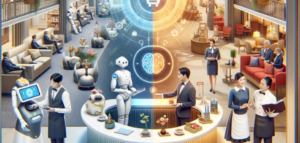
One of the biggest advantages of AI in hospitality is its ability to enhance guest experiences. AI-powered chatbots and virtual assistants allow hotels to respond instantly to guest inquiries, reservations, and service requests 24/7. This reduces waiting time and ensures guests receive quick and efficient assistance.
Smart room technology is another example of AI in action. Guests can control lighting, temperature, curtains, and entertainment systems using voice commands or mobile applications. These personalized in-room experiences create comfort and convenience, making hotel stays more memorable.
Hospitality institutes such as Regency College of Culinary Arts and Hotel Management train students to understand how technology integrates with service excellence, preparing them for modern hotel operations.
Improving Hotel Operations with AI
AI is also transforming back-end hotel operations. Hotels now use AI-based predictive analytics to forecast room occupancy, allowing managers to schedule housekeeping and staff more efficiently. This improves productivity while maintaining high service standards.
AI tools can analyze guest data and identify patterns in customer preferences. Hotels can use this information to customize services, recommend dining options, or suggest activities based on guest interests. Real-time feedback systems also allow hotels to respond immediately to guest concerns, improving satisfaction and loyalty.
At Regency College of Culinary Arts and Hotel Management, hospitality students learn how operational technologies help hotels deliver better service while maintaining efficiency.
AI in Revenue Management
Revenue management is another area where AI plays a critical role. Hotels use AI-driven systems to analyze market demand, competitor pricing, and booking trends. These insights help hotels implement dynamic pricing strategies that maximize occupancy and profitability.
Instead of relying solely on manual analysis, AI can adjust pricing automatically based on real-time market conditions. This ensures hotels remain competitive while optimizing revenue.
For students pursuing hospitality careers, understanding revenue management technology is becoming increasingly important, which is why institutes like Regency College of Culinary Arts and Hotel Management incorporate these concepts into their academic programs.
AI in Food and Beverage Operations
Food and beverage departments are also benefiting from AI technology. AI systems can predict demand for specific dishes, helping chefs and managers manage inventory more effectively. This reduces food waste and improves kitchen efficiency.
AI-powered systems also assist in menu planning, procurement, and supply chain management. These tools help restaurants and hotel kitchens maintain quality while controlling operational costs.
Culinary students at Regency College of Culinary Arts and Hotel Management gain practical exposure to modern food service technologies, preparing them for the future of hospitality.
The Future of Hospitality with AI
AI-driven kiosks and digital concierge systems are becoming common in hotels. Guests can easily access information about hotel facilities, transportation, nearby attractions, and dining options without waiting at the front desk.
By automating repetitive tasks, AI allows hospitality professionals to focus on what matters most—delivering exceptional, personalized guest service.
As the hospitality industry becomes more technology-driven, educational institutions play a vital role in preparing future professionals. Regency College of Culinary Arts and Hotel Management continues to equip students with the knowledge and practical skills required to succeed in a modern, tech-enabled hospitality environment.
Conclusion
Artificial Intelligence is no longer just a trend—it is shaping the future of hospitality. From smart rooms and automated check-ins to predictive analytics and dynamic pricing, AI is helping hotels deliver better service while improving operational efficiency.
For aspiring hospitality professionals, understanding these technological advancements is essential. With forward-thinking institutions like Regency College of Culinary Arts and Hotel Management leading hospitality education, students are well-prepared to become the next generation of leaders in the global hospitality industry.